


In a long-distance relationship, it can be difficult to feel connected to your partner. To strengthen and sustain this connection, many couples turn to sexting. But is this practice safe, even in committed relationships? In this blog post, we will explore the pros and cons of using sexting to communicate in relationships.
What is Sexting in Relationships?
Sexting is defined as the exchange of sexually explicit material between two or more people via digital communication channels, typically through a mobile phone or messaging platform.
While sexting has been commonplace in intimate relationships, it has become increasingly popular in long-distance relationships due to its immediacy and the convenience of engaging partners from afar.
Some view it as a way to maintain intimacy in the digital age, while others worry about its potential to cause harm. This includes reputational damage, guilt, embarrassment, or legal ramifications associated with wrongfully sharing explicit photos.
To ensure the safety and privacy of content shared during sexting, it is crucial to use online platforms with end-to-end encryption. Regardless, sexting can have severe consequences, making it important to understand the risks before engaging in this form of communication.
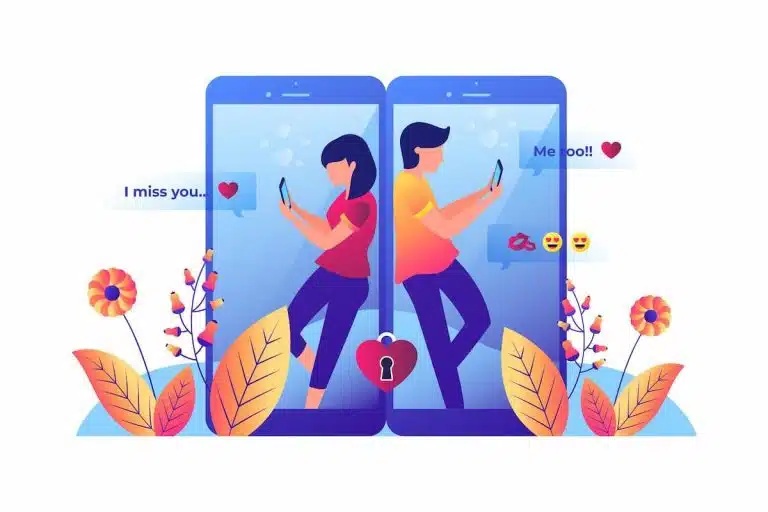
The Importance of Intimacy
Intimacy is a cornerstone of any romantic relationship. It goes beyond just physical interactions and encompasses a range of activities. In essence, intimacy consists of the emotional and psychological connection within a relationship. It matters because it:
- Releases oxytocin: This hormone promotes feelings of attachment and bonding, making partners feel closer to each other.
- Builds trust and intimacy: Regular physical contact helps to build a deeper sense of trust and intimacy.
- Enhances emotional connection and communication: Physical closeness can improve emotional communication and understanding between partners.
- Reduces stress and anxiety: Physical touch has been shown to lower stress levels and reduce anxiety.
- Boosts mood and overall well-being: Engaging in physical intimacy can elevate mood and contribute to overall happiness.
- Increases feelings of closeness and connection: Regular physical contact helps partners feel more connected, secure, and emotionally supported in the relationship.
The Challenges of Long Distance Relationships
Long-distance relationships come with their own set of challenges, particularly when it comes to maintaining physical intimacy. This physical separation can lead to feelings of disconnection and isolation, making it difficult to keep the emotional bond strong.
Without regular physical contact, partners may struggle to feel as close and connected as they would if they were in the same city. This lack of physical intimacy can sometimes lead to misunderstandings, increased stress, and even doubts about the relationship’s future.
Maintaining Intimacy in Long Distance
Maintaining intimacy in a long-distance relationship requires effort, commitment, and a bit of creativity. As a result, many turn to sexting to keep the spark alive. Other practices that can help you maintain intimacy include:
- Scheduled video calls. Seeing each other’s faces can help maintain a sense of closeness.
- Surprise gifts or care packages. Small tokens of love can show your partner that you’re thinking of them.
- Regular visits or trips. Whenever possible, plan visits to spend quality time together.
- Consistent communication. Regular check-ins can help keep the emotional bond strong.
Sexting and Infidelity: Navigating the Gray Areas in Relationships
When discussing sexting and infidelity in relationships, nuance is critical. While most people agree that sexual relationships outside of a partnership or marriage are inappropriate and considered unfaithful, the conversation becomes muddled by the ways technology has changed how couples interact.
Electronic communication, such as sexting, presents a complex set of moral questions that can be difficult to answer, leaving couples to navigate uncertain ethical gray areas. Ultimately, partners must explore these murky topics while remaining mindful of their boundaries and having open conversations about expectations within the relationship.
Is Sexting Good for Long-Distance Relationships?
Sexting is a popular form of communication for couples in long-distance relationships and can lead to improved feelings of closeness and intimacy. It can enhance the experience by adding creativity and playfulness. However, there are vital considerations both partners should consider when deciding whether sexting is the right choice for their relationship.
- First, it is essential to ensure mutual consent before engaging in any sexting activity. Additionally, both partners should be aware of any potential legal implications of sharing personal information over electronic means.
- It is crucial to consider your partner’s account security before disclosing any sensitive information. Their accounts may be vulnerable to fraudulent activities if they are not adequately secured.
- You need to carefully evaluate the nature of your relationship with your partner and how well you know them. In the unfortunate event of a fallout, your confidential and exclusive information may be weaponized against you.
Ultimately sexting can be essential in keeping long-distance relationships healthy and happy. Still, one should always proceed cautiously and maintain safety at their mind. Emphasizing the importance of consent when sending and receiving naughty pics can help avoid potential negative consequences.
The Benefits of Sexting
Sexting can be a valuable tool for maintaining physical intimacy in a long-distance relationship. It allows you to connect with your partner on a physical level, even when you’re not in the same location. Here are some benefits of sexting:
- Maintains physical intimacy and connection. Sexting helps keep the physical aspect of your relationship alive.
- Enhances emotional connection and communication. Sharing intimate messages can deepen your emotional bond.
- Allows for creative expression and exploration of fantasies. Sexting can be a fun way to explore each other’s fantasies and desires.
- Builds anticipation and excitement. The anticipation of seeing each other again can be heightened through sexting.
- Reduces stress and anxiety. Engaging in intimate conversations can be a stress-reliever and help you feel closer to your partner.
By incorporating these new sections, the article now provides a comprehensive look at the role of physical intimacy in long-distance relationships, the challenges faced, and how sexting can be a beneficial tool when used thoughtfully and safely.
Is Sexting Bad for Relationships?
There is no simple answer to whether sexting can be bad for relationships. It has the potential to be very beneficial since it can allow people to express their feelings and desires without having to do so in person. However, it also has the potential to have a damaging effect on relationships if not used properly. By sending sexts without consent or carelessly sharing personal information, couples risk damaging their trust and respect for one another.
Additionally, if either partner is uncomfortable with the content of the sexts sent, this discomfort can lead to deep-seated resentment. Thus, when sharing sexual videos, messages, or photos with a partner, it is essential to maintain boundaries and ensure the safety of both parties’ mental health. Furthermore, sexting should only occur between two consenting adults in an established, committed relationship.
How Sexting Can Lead to Severe Consequences
Sexting has become an increasingly common form of communication in recent years. However, it can be damaging to relationships when not managed correctly. Sexting can quickly become threatening if one party decides to retaliate by posting explicit images online without consent, otherwise known as nonconsensual intimate image (NCII) abuse or “revenge porn.”
Such incidents are known to destroy relationships and cause irreparable psychological damage. This should remind people engaging in sexting that safeguarding these messages is critical to avoid falling victim to unwanted cybercrime. When sharing nude photos, it is important to emphasize safety and privacy by using methods to secure these images and prevent accidental exposure.
What may seem like a harmless exchange with a new partner could, in reality, be a setup by a scammer. Sextortion is a growing threat for digitally active Americans seeking relationships. Scammers often pose as potential romantic interests, engaging in flirtatious conversations to persuade victims to share explicit content. Once obtained, these images or videos can be weaponized for financial sextortion or public humiliation, leaving victims vulnerable and distressed.
How to End a Sexting Relationship
When ending a sexting relationship, it is essential to be firm yet tactful. Maintaining basic respect for the other person and abstaining from verbal or nonverbal aggression is also necessary. Closure can help create a healthy atmosphere when ending a sexting relationship. It is essential to protect your well-being and take steps to prevent potential harm.
However, if you are being victimized by revenge porn, it is essential to take immediate action. In situations where one partner disagrees with the outcome of a sexting relationship, revenge porn can occur. In these cases, you should immediately collect evidence and report the attack.
Ending a sexting relationship can be scary, especially if you or someone you know is facing immediate threats of exposure. However, it’s important to remember that you are not alone, and you have the strength to get through this.
Summary
Ultimately, deciding whether or not to engage in sexting is highly personal and will best be figured out with the help of an open and honest dialogue between partners. Whether you are using sexting as a temporary fix or incorporating it into your sex life on an ongoing basis, all parties must agree and feel comfortable.
Sexting is not always a popular answer when handling distance, but it may benefit couples who know how to handle it with caution and thoughtfulness. But before you send that steamy message, think about how it could affect your relationship. Is sexting good for your relationship? Only you and your partner can decide.
The importance of consent and communication cannot be overstated, especially when it comes to sexting. Open discussions about boundaries and interests are vital. Partners should not assume they know each other’s desires. Instead, they should clarify their preferences well before engaging in sexual exchanges.
Sexual intimacy extends beyond physical interactions to include aftercare, erotic conversations, and emotional closeness. Redefining intimacy in this way can enhance overall connection and satisfaction, particularly in long-distance relationships. However, it’s important to handle these delicate interactions with caution.
If you’ve engaged in sexting and are facing harassment, sextortion, or other related threats, you do not need to face it alone. You can contact Digital Forensics Corp. for professional cybersecurity guidance and support today.

Chief Technology Officer (CTO)
Dr. Viktor Sobiecki
Currently serves as the Chief Technology Officer (CTO) at Digital Forensics Corporation, where responsibilities span the leadership of advanced cybersecurity initiatives, data breach incident responses, and corporate strategic planning.


